

Introduction
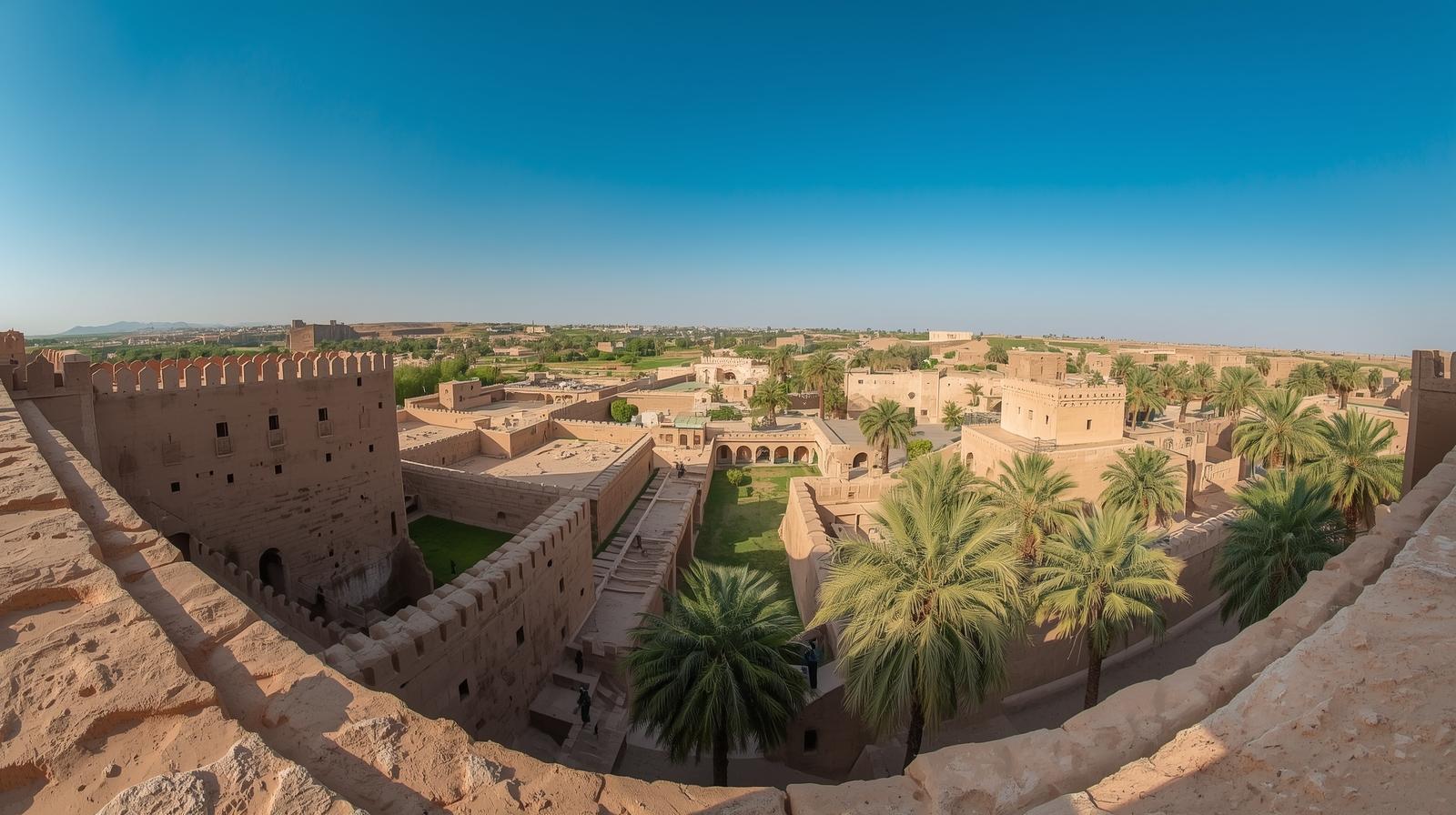
Nestled in the oasis city of Al Ain, a series of archaeological treasures stand as silent witnesses to a civilization that has flourished for over 4,000 years. In 2011, UNESCO inscribed the “Cultural Sites of Al Ain” onto its World Heritage List, marking a moment of profound international recognition for the UAE’s ancient history. This designation encompasses a serial property of 17 sites, including tombs, settlements, and aflaj irrigation systems, that collectively tell the story of human ingenuity in the heart of the desert. This article explores the significance of these sites, delving into how they provide an unparalleled window into the region’s prehistoric and historic periods, solidifying Al Ain’s status as the cradle of Emirati culture.
The Hafit Tomb Culture: The Dawn of a New Era
The story begins in the Jebel Hafit foothills, where beehive-shaped tombs date back to the Hafit period (3200-2600 BCE). These simple, circular stone structures represent the earliest evidence of sophisticated burial practices in the UAE, marking a significant shift from earlier nomadic lifestyles to a more settled, socially stratified society. The presence of these tombs, often containing multiple individuals and grave goods like pottery and copper artifacts, indicates trade links with Mesopotamia and the Indus Valley. The Hafit tombs are not just burial sites; they are the foundational markers of a culture that began to master its environment, laying the groundwork for the more complex societies that would follow.
The Flourishing of the Umm an-Nar Civilization
Following the Hafit period, the region experienced a cultural zenith during the Umm an-Nar era (2600-2000 BCE). The Hili Archaeological Park, a central component of the UNESCO site, showcases the advanced nature of this civilization. Here, one finds the remains of a large circular settlement with sophisticated stone buildings, evidence of agriculture, and the iconic Grand Tomb—a large, circular collective burial place with a beautifully carved exterior. The Umm an-Nar people were master craftsmen, skilled in copper smelting, and engaged in extensive maritime trade. The scale and complexity of their settlements and tombs reflect a highly organized society with surplus resources, capable of monumental construction and sustained by a thriving oasis economy.
The Ingenuity of the Aflaj Irrigation Systems
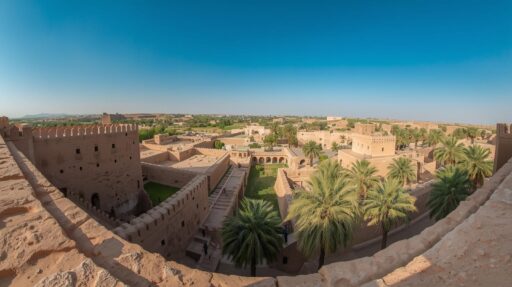
Perhaps the most critical innovation that allowed these civilizations to thrive was the development of the falaj (plural: aflaj) irrigation system. This sophisticated network of underground channels tapped into water sources at the foot of the mountains and distributed it gravity-fed to the oasis gardens and fields. The Al Ain Oasis itself, another key part of the UNESCO listing, is a living testament to this ancient technology, which dates back to the Iron Age (c. 1000 BCE). The aflaj system revolutionized agriculture in the region, enabling the sustainable cultivation of date palms and other crops, and supporting permanent settlement. It is a masterpiece of human creative genius that directly shaped the social and economic landscape for millennia.
Bidaa Bint Saud and the Iron Age Legacy
Further evidence of continuous habitation is found at sites like Bidaa Bint Saud, which features an impressive Iron Age hilltop fortification and a series of tombs. This site highlights a period of further social development and the emergence of collective defense structures. The presence of a falaj at this site underscores the critical role of water management in the survival and prosperity of these communities. Together with the Bronze Age sites, Bidaa Bint Saud completes a chronological narrative, demonstrating an unbroken chain of human settlement and cultural development in Al Ain from the Bronze Age through the Iron Age.
Conclusion: More Than Monuments, A Living Heritage
The UNESCO World Heritage status of the Cultural Sites of Al Ain is far more than an accolade; it is a global endorsement of the UAE’s deep historical roots. These sites shatter the misconception of the region as a historical backwater, revealing instead a land of innovation, trade, and complex social structures dating back five millennia. They are a source of immense national pride, providing a tangible connection to a past that predates Islam and the oil era. The ongoing conservation and research at these sites ensure that the story of Al Ain—the story of the UAE’s origins—will continue to be studied, understood, and celebrated by the world.