

Introduction
In the intricate patterns of a traditional Al Sadu textile, one can read the story of the Emirati people—a narrative of desert life, Bedouin values, and a deep connection to the natural world. Al Sadu, the traditional weaving technique of the Bedouin women of the UAE, is more than a craft; it is a vital thread in the nation’s cultural fabric. Recognized by UNESCO for its intangible cultural heritage value, Al Sadu faced the threat of fading into obscurity as modernization transformed the Emirati lifestyle. However, through dedicated preservation projects, this ancient art form is not only being saved but is being revitalized as a dynamic and economically viable symbol of national identity. This article explores the history, significance, and ongoing efforts to ensure Al Sadu continues to tell its story for generations to come.
The Art and Language of Al Sadu
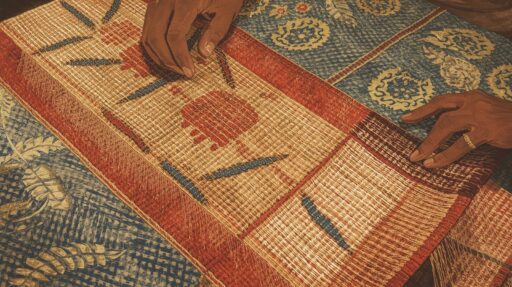
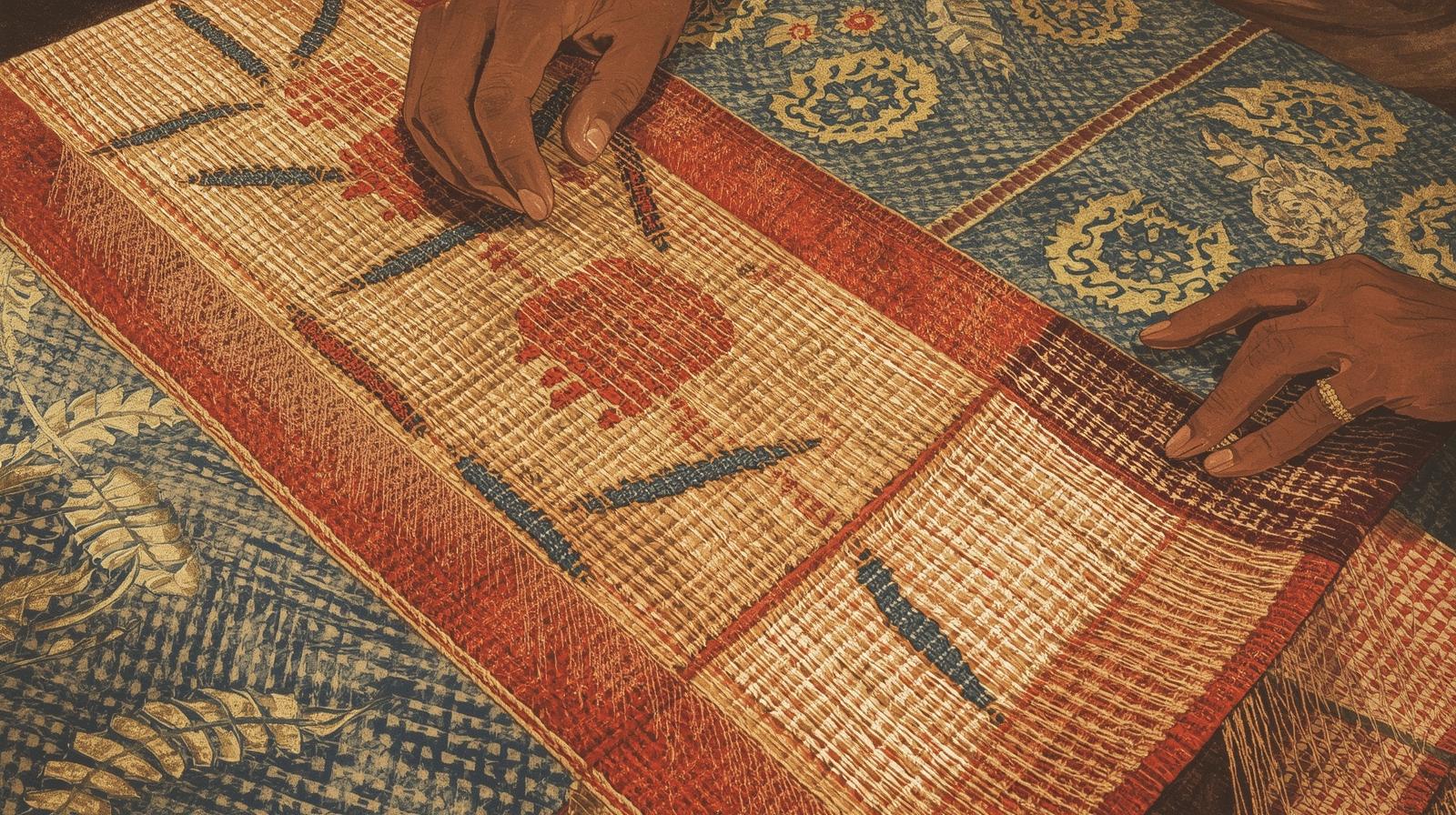
Al Sadu, which means “weaving done in a horizontal style” in Arabic, is a distinctive form of hand-woven textile characterized by its tight, geometric patterns and vibrant colours. Traditionally, the wool came from the herds of sheep, goats, and camels that were the foundation of Bedouin life. Women would gather in groups to spin, dye, and weave the wool on ground looms, transforming it into tents (bayt al-sha’ar), camel trappings, cushions, and storage bags. The geometric motifs are not merely decorative; they are a symbolic language. Patterns often represent elements of the desert environment, such as palm trees (nakhlat), stars (nujoom), and scorpions (al-agrab). The social act of weaving, known as “Al Sabr,” was a crucial space for the transmission of oral traditions, poetry, and community news, making the Al Sadu loom a cornerstone of social and cultural life.
The Threat of a Fading Art
The rapid urbanization and economic boom following the discovery of oil fundamentally altered the Emirati way of life. The necessity of handcrafting items for daily use diminished as manufactured goods became readily available. The younger generations pursued education and careers in a modern economy, leaving little time to learn the time-intensive skill of Al Sadu. By the late 20th century, the number of master weavers, all of whom were advanced in age, was dwindling rapidly. The knowledge, passed down orally from mother to daughter for centuries, was on the verge of being lost forever. This posed a risk not just to a craft, but to a vast repository of cultural knowledge and social tradition.
The Revival: Weaving a New Future
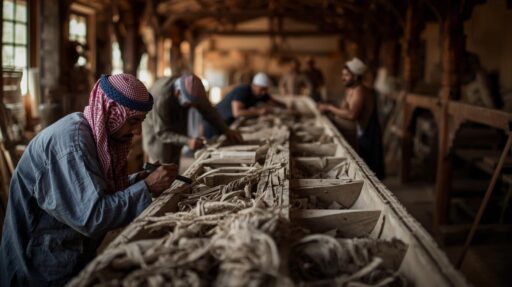
Recognizing this crisis, both governmental and non-governmental bodies in the UAE launched concerted efforts to safeguard Al Sadu. The Al Sadu Society, established in Kuwait and with strong ties to Emirati weavers, became a focal point for preservation. In the UAE, initiatives were launched under the patronage of Sheikha Fatima bint Mubarak, who has been a staunch supporter of preserving Emirati heritage. These projects established dedicated Al Sadu centers and weaving houses where master weavers could teach apprentices. These spaces are not just workshops; they are living museums where the rhythmic sound of the loom continues and the stories are shared. They provide a sustainable income for the weavers, ensuring the craft is not just preserved but is also economically valued.
Education and Modern Interpretation
A key to the long-term survival of Al Sadu has been its integration into modern education and design. Workshops are now offered in schools and universities, sparking interest among the youth. Furthermore, contemporary Emirati and international designers are collaborating with Al Sadu weavers to incorporate the traditional patterns into modern fashion, home décor, and art installations. This “modern interpretation” is crucial—it prevents Al Sadu from becoming a fossilized artifact and instead positions it as a relevant and evolving art form. By seeing Al Sadu patterns on haute couture runways or in contemporary art galleries, a new generation appreciates its beauty and cultural significance, ensuring its legacy continues to evolve.
Conclusion
The Al Sadu project is a powerful testament to the UAE’s commitment to preserving its soul amidst rapid modernization. It demonstrates that heritage is not static but a living, breathing entity that must be nurtured and adapted. By empowering master weavers, engaging the youth, and fostering creative innovation, the UAE has successfully turned the tide for this ancient craft. The threads of Al Sadu, once threatened with unraveling, are now being woven into the very fabric of the nation’s future, ensuring that the identity and wisdom of the Bedouin past remain a vibrant and cherished part of the modern Emirati identity.